“What took place was unacceptable – and it cannot be repeated” – But Vuelta boss Javier Guillén passes blame for protest disruption onto UCI
CyclingMonday, 15 September 2025 at 14:30
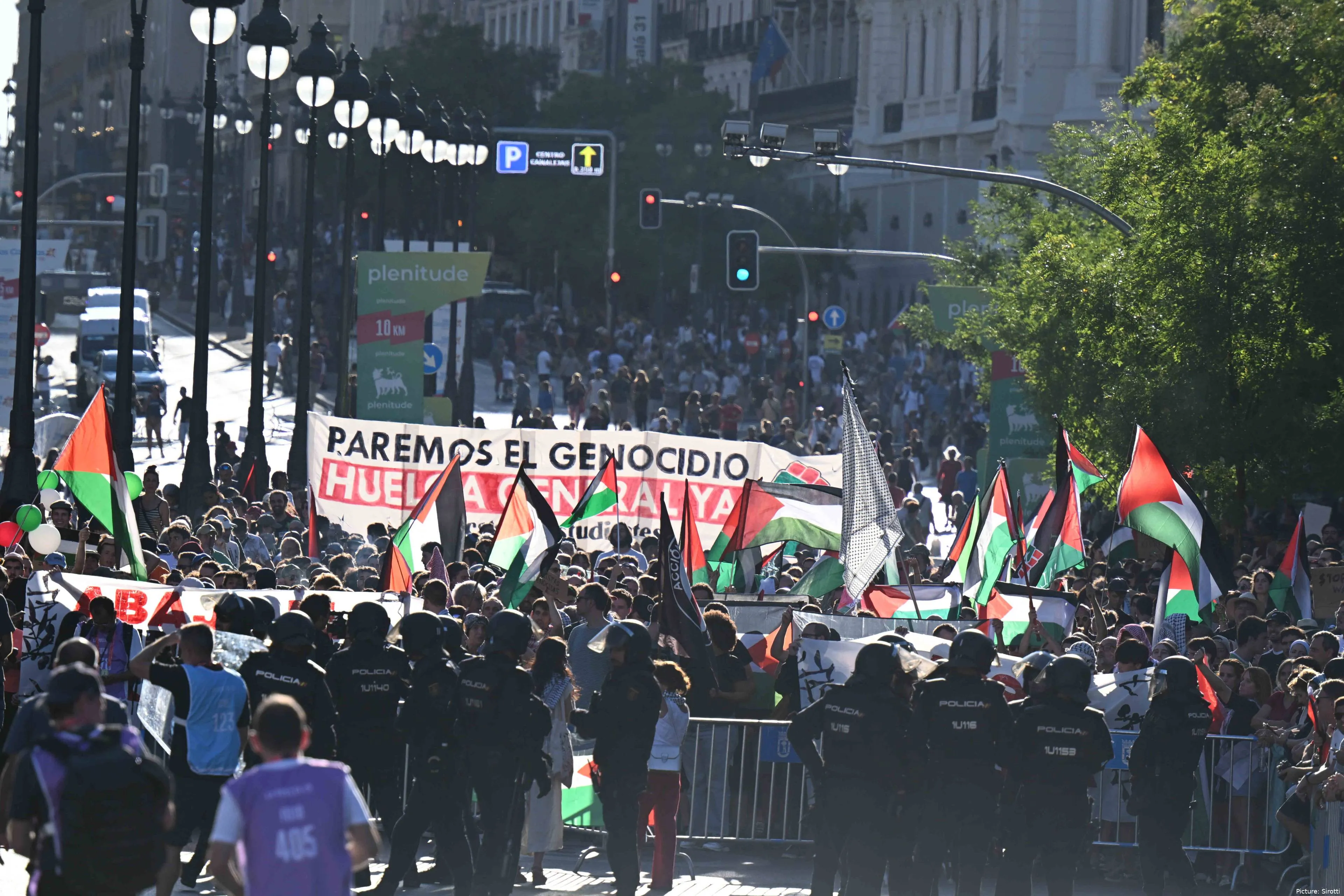
Vuelta a Espana director Javier Guillén has condemned the chaotic conclusion to this year’s race, describing the protest-hit finale as “unacceptable” and insisting the sport must ensure such disruption does not happen again. At the same time, Guillén sought to distance himself and his organisation from the controversial decision to allow Israel - Premier Tech to remain in the race, placing responsibility firmly with cycling’s governing body, the UCI.
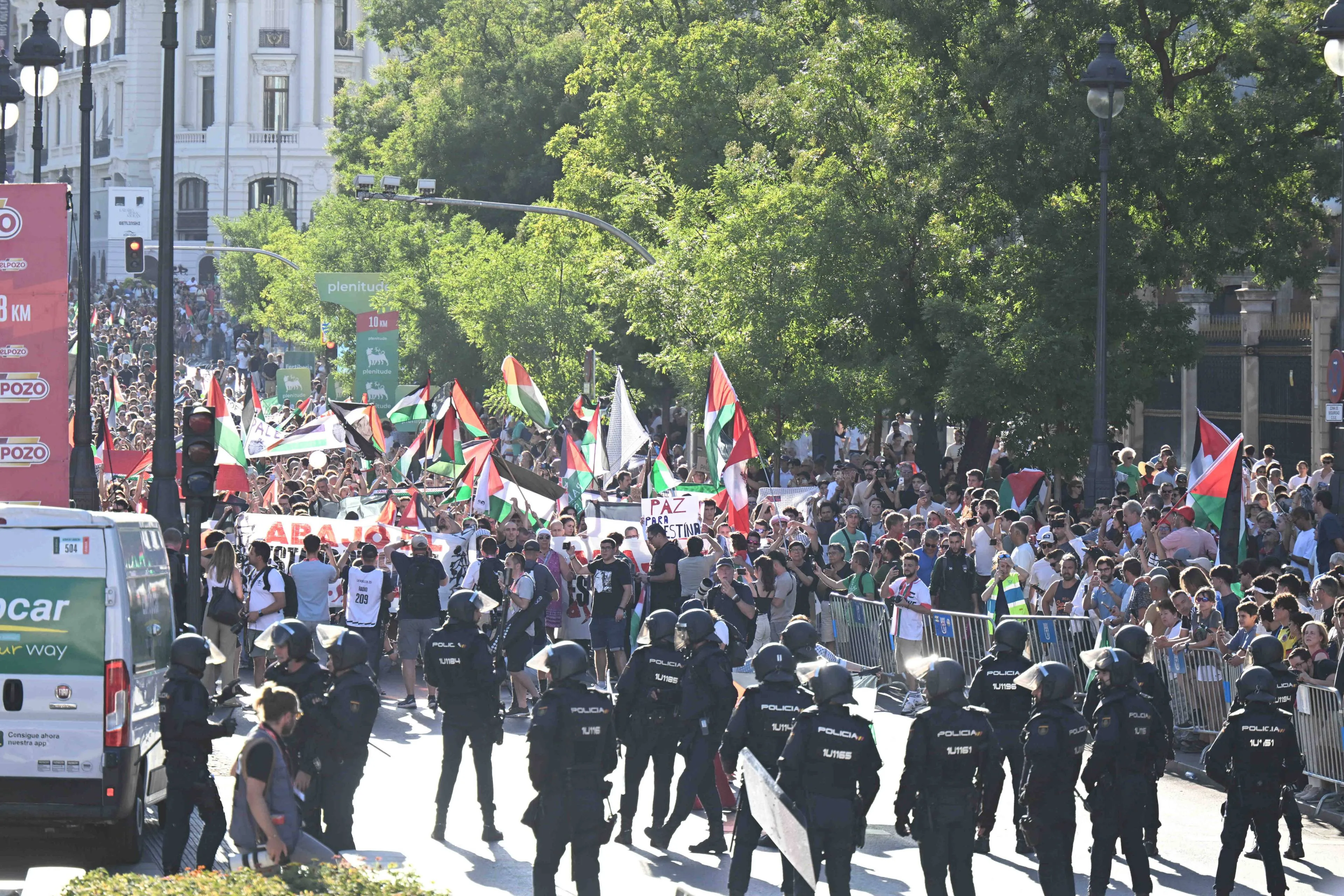
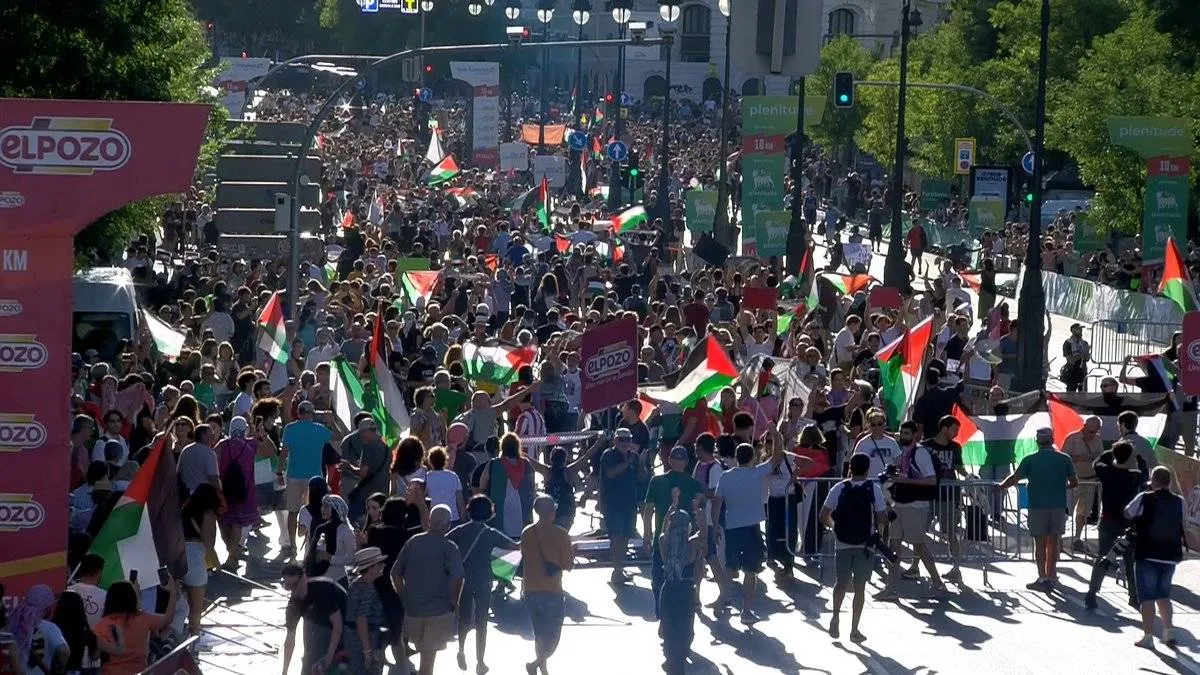
The 2025 edition of the Vuelta unravelled under the shadow of repeated protests against Israel – Premier Tech, culminating in the unprecedented cancellation of the final stage last weekend. The scenes – which forced organisers to neutralise stages, adjust finishes and ultimately abandon the Madrid circuit – left the Spanish Grand Tour projecting what Guillén admitted was a “lamentable image.”
“This has been the hardest Vuelta,” Guillén said in a packed post-Grand Tour press conference. “I regret and condemn what happened on the final stage. The images speak for themselves. What took place was unacceptable, especially on the circuit. Nothing good can be drawn from it – and it cannot be repeated.”
UCI decision questioned
The flashpoint came in Bilbao on stage 11, when incidents at the finish line forced the race to be neutralised inside the final three kilometres. With pressure mounting, organisers turned to the UCI to take a position on Israel – Premier Tech’s participation.
“We discussed the situation with the UCI to analyse events,” Guillén explained. “They were asked to take a position and issued a statement confirming that Israel could continue in the race. We followed their criteria, in line with the regulations. No federation has vetoed Israel. From an international perspective, no institution has banned Israeli athletes. We remained neutral – we said there was a problem, and left it to the UCI to decide. They said Israel could race, and the team did. The team itself also chose to continue.”
By emphasising the governing body’s role, Guillén was keen to underline that the decision lay outside his remit – a move that will likely fuel debate within the sport about where ultimate responsibility lies in such situations.

Vingegaard was denied a celebratory ride in Madrid on Sunday as the final stage was cancelled
A vulnerable sport
The Vuelta director also reflected on cycling’s wider susceptibility to disruption. The arrests of protesters at September’s Grand Prix of Montreal, he said, showed the need for vigilance ahead of future events – not least the 2026 Tour de France Grand Départ in Barcelona.
“Cycling is a vulnerable sport, but I hope there will be no domino effect,” Guillén said. “I don’t know what will happen in the future, but we will work to ensure the Vuelta goes ahead. Barcelona will host the Tour de France. After this Vuelta, institutions and the sport must take decisions. Between now and the Tour, hopefully everything will be resolved – even the conflict in Gaza.”
Support and strain
Guillén confirmed that there was constant dialogue with Spain’s Higher Sports Council (CSD) and Interior Ministry throughout the race, with security forces deployed to protect riders and teams. But he acknowledged the toll the protests took on the event’s image. “When there is a call to boycott and it is followed through, that causes damage. Having to guarantee protection was difficult,” he admitted, while clarifying that he was not directly referring to Prime Minister Pedro Sánchez’s comments on demonstrations.
Despite the disruption, Guillén praised the collective effort of the 3,500 people who worked to keep the race on the road, along with the commitment of the teams and riders themselves. “Nobody abandoned the Vuelta because of the debates,” he said. “The teams wanted to race and never expressed otherwise. They had the right to compete, just as we had the right to organise.”
The 2025 Vuelta may be remembered less for the exploits on the bike than for the protests that engulfed it, but Guillén’s message was clear: cycling must learn from what happened – and make sure such scenes are not repeated.
claps 0visitors 0
Just in
Popular news
Latest comments
- If the plan was already no to participate then dont. He will not be good on cobbles by the get go like Pogi.abstractengineer01-04-2026
- Oh don't get me wrong - I kinda wish the jerseys had armbands/markings for winning a GT or Monument. Not that you want them all to look like North Korean Generals/TGIF waiters, dripping in flare - but I guess it doesn't smack of a huge amount of humility when the rest of your Palmares isn't especially mind-blowing compared to other riders who don't ask for special jerseys. It just rubs me the wrong way a little. I really hope he sacks off this doomed GT fantasy and goes for more Classics and Monuments cuz clearly one-day races is where he gets his results. Besides staying on his bike while Roglic falls offantipodeanpedalfan01-04-2026
- "Vermeersch gets on extremely well with Van der Poel. That is also another consequence of not riding E3. If you see your colleagues every week, you automatically grow closer," Just pure speculation,. if they were he would have let him close up the gap.abstractengineer01-04-2026
- they have all won races, haven't seen Lipo win a race other than a stage of the Czech tour. that is why I rate the above Lipo.mij01-04-2026
- I hope Wout gets one, he is a super guy. I'd love to see it.mij01-04-2026
- Juan Ayuso wasn't there either.mij01-04-2026
- not disagreeing, but TBH if I won the rainbows and the olympics, it would be on my undergarments, I would be buried in them, etc LOL can't blame himmij01-04-2026
- You seem to be the fool wearing the clown hat on this site! Capish!frieders301-04-2026
- Dude...take a break from your Rogi public relations job!frieders301-04-2026
- Game on !!PogiFan2Day01-04-2026
Loading
3 Comments